
This isn’t just about the Stranger Things fandom, but this is a LOT about the Stranger Things fandom. I’ve noticed a trend of escalation over the past few years. People have developed parasocial relationships, not just with influencers but with brands and intellectual properties. The thoughts and concerns I’ve had crystalized over the past week or so while observing the behavior of fans in the aftermath of the Stranger Things series finale.
The Loud Few
I do realize that I am talking about a subset of the core audience: a loud minority of people online who feed off each other’s discontent. Online, you can find an echo chamber for whatever belief you hold, no matter what it is. There are a lot of reasons why this is a good and supportive thing, but mob mentality has never ended well.
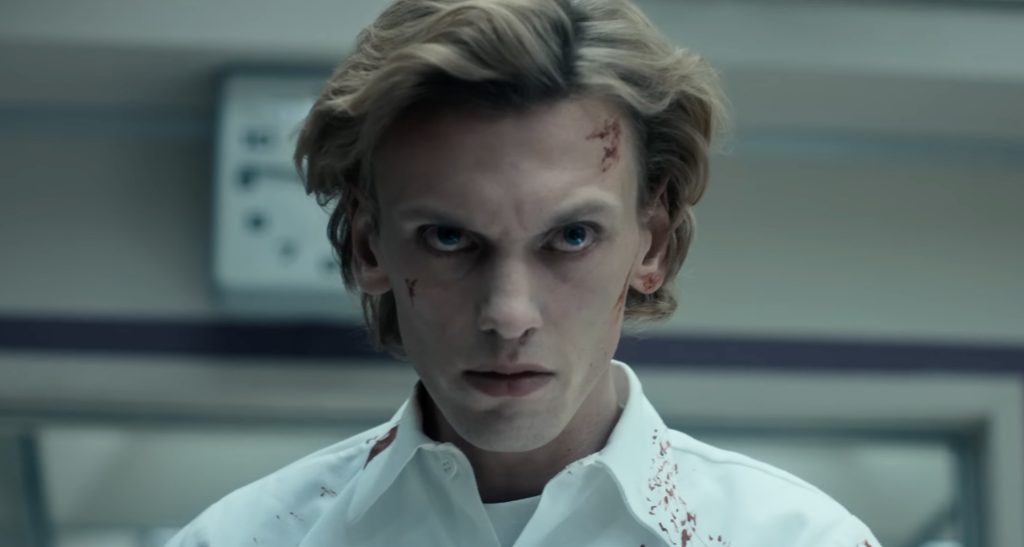
I was actually mostly unaware of “Conformity Gate”, or the rumored and totally imaginary “secret, true final episode” of Stranger Things until my day-job coworker asked me about it. He is, in my opinion, a sane human being who found the whole thing a pleasant, amusing conversation. We talked about the real last episode, what we would want to see in a different ending, and then discussed the NFL playoffs. In short, we moved on. My coworker loves Stranger Things. He quotes Derek probably more than is appropriate for a work environment. He also believes that if he doesn’t like the ending, he can imagine what he would do and move on.
And I’m right there with him. Not just with Stranger Things, but with a whole lot of IPs. There are many movies and shows I would have liked to see end differently or be rebooted differently. Since no one is asking for my opinion—and why would they—I’ll have to be satisfied with seeing what they come up with and then indulging in my own imagination from there.
The Water Cooler Days
And not to sound like a withered old lady Ghoul, but that feels like that’s what everyone used to do. You know, back in the old days when we gathered around watercoolers instead of rage-posting at 3am. Streaming and social media changed the way we consume and discuss media. Back in my day, we couldn’t rewatch a show a hundred times looking for secret embedded messages and clues from the creators. And maybe that’s not a bad thing.
It feels like in a lot of ways, creators are still learning how to create for streaming media, and the level of scrutiny their projects are now being exposed to. Where previously, only scholars and critics would analyze media in this level of detail, now it’s available to everyone. And don’t get it twisted, at the end of the day, that is a good thing. But there will be growing pains. The combination of unlimited access to the shows and the nonstop social media machine creates some interesting side-effects and questions.
Is This Level of Access Healthy?
No. There is a line between interest and obsession, and it’s not that fine. To move away from Stranger Things for a bit, although we could talk for another thousand words about the problematic behavior from fans there. In the past years, we’ve seen groups so unhappy with the direction of storylines they’ve harassed and threatened actors off social media. This is, in a word, vile. I had some other words, but H3 reminded me this was a PG-13 blog.
I understand the disappointment of a childhood favorite or any favorite franchise returning with underwhelming, confusing, or just unsatisfying stories. Long favorite characters didn’t get the happy endings you imagined, or the new stories don’t have the fresh, innovative spark that the originals did.
No reboot, requel, spinoff, or return will make Fandom feel as good as watching the original did. That’s a very hard magic to recapture. That’s not the fault of the actors. Even if you don’t like their acting choices, that accountability goes to the director who approved the take. Please don’t harass directors either. My point is actually that no one deserves to be harassed because a project can’t live up to unrealistic expectations.
Fandom needs to find healthy and creative ways to deal with their disappointment. The current path of toxicity is heading somewhere bad, for all of us.
The Money Problem
See, movies, and TV shows are creative and art, but it’s also a business. Like all businesses, it exists to make money. And the core fandoms, the loudest groups online, represent a small part of that fandom. I have not crunched the numbers and given that most of them aren’t visible to the public, getting detailed financial breakdowns on major IP would be impossible. What we are talking about is properties that average a billion dollars a year ($12 billion total since acquisition), in profit.
Those last two words are the important ones, because it highlights that the majority of the earnings are not from movies or TV, which only came in at around $10 billion gross in the same time frame (which is probably less than half of the revenue). My quick and dirty math leads to one conclusion: they don’t need the buying power of hardcore fans, they need mass-market casual consumers, including ones that buy things like merch and other ancillary items. The “my kid likes this thing” kind of buyer.
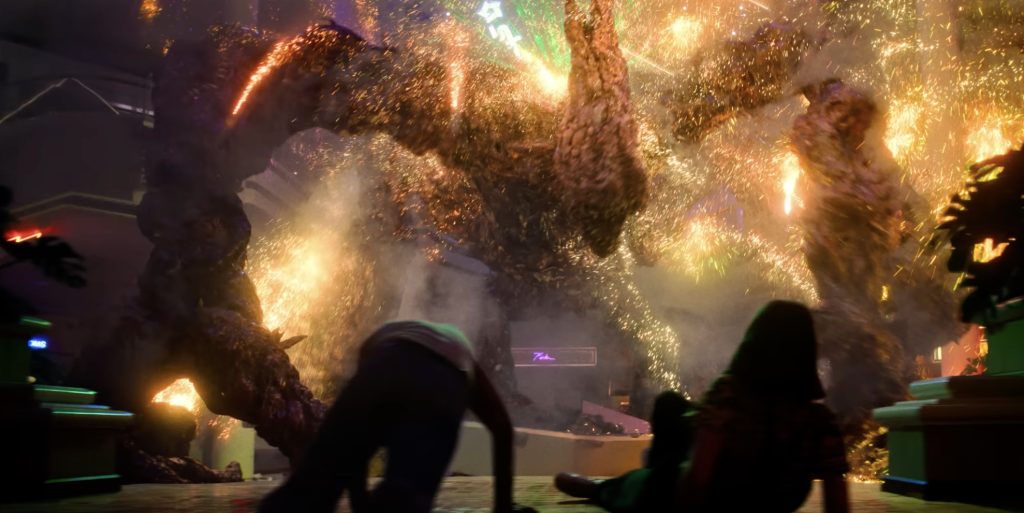
Let’s talk about another example – without getting into specifics there is a multi-billion-dollar franchise out three with no die-hard fans. It’s not old enough to have been a formative part of anyone’s childhood. Three movies in and still it doesn’t have people dissecting the narrative online. It’s core audience is casual viewers interested in the spectacle and little else. They don’t need hard core fans.
If fandoms make themselves too toxic, they will find themselves excluded from what they love the most.
Parasocial Attachement to Fiction
Let’s circle back to the “parasocial relationship with properties” thing, because that is what I believe is fueling all this behavior. I know that sounds extreme, but you have viewers scouring the episodes and coming away with “secret coded communications to the fans”. This is extreme behavior. I’ve also seen a higher than usual amount of scenes recontextualized to fit the personal narrative of the viewer.
This is not a bad thing, Death of the Author and all. For those not familiar, “Death of the Author” is a literary theory that puts forth that meaning from the work comes from the reader or viewer, not the creator’s intentions or historical context.
This means you can enjoy a work of art and focus on what it means to YOU, not what the intent of the creator was. It also rejects the idea that there is one definitive meaning in any art. Art, in whatever form it is, ultimately is collaborative.
Everything is Valid
The trouble comes in, I think, when fans want their personal interpretation to be validated. Well, by Death of the Author, it doesn’t have to be. Because each person brings their own personal experience to their interpretation, no one else can tell them it’s wrong. They can discuss, politely, how they interpreted it differently. And trust me, the same shows are going to hit different when you are older and have different experiences to draw from.
It’s not the search for ultimate meaning that drives the toxicity of fandom. It’s the behavior that occurs when the fans don’t get what they wan. OR what they think they want. I would encourage fans who do not like where their favorite stories ended up, to imagine their alternate endings. Write fanfics, make shorts, machinima, or comics. Put something creative and new into the world other than bile and anger. You may be surprised at how freeing it feels.
Final Thoughts
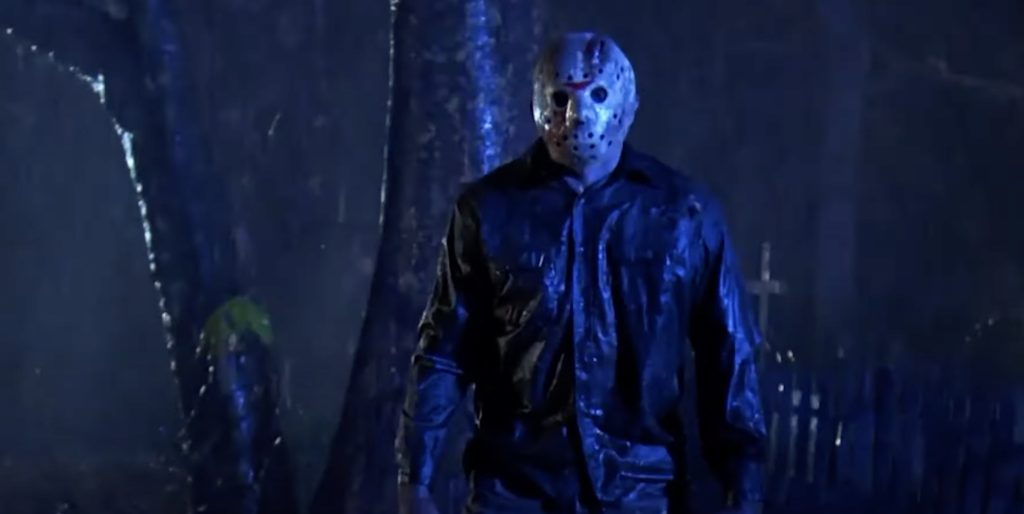
I’m tired of needless anger. I’m tired of shrinking my world to avoid other people’s overreactions. So, in 2026 I’m going to need everyone to take a deep breath and calm the hell down. I’m also going to need y’all to remind me of this when they release the Friday the 13th reboot, and I become a part of the problem.
Leave a Reply