

The 8th Night starts with a lot of backstory and lore. It’s easy to get caught up in the plot and twists and turns of the story. The important part of The 8th Night however is its deep Buddhist philosophy. It’s the main differentiating factor between this and other possession films. And honestly, it’s the thing I love the most about it.
- Directed by: Kim Tae-hyung
- Written by: Kim Tae-hyung
- Starring: Lee Sung-min. Park Hae-joon. Kim Yoo-jung
The Plot
A professor unleashes great evil onto the world in the form of Red Eye, one of the evil eyes of a world-ending demon, and a young monk named Cheongsok must leave his home and go out into the world to stop it from spreading. After the professor awakens Red Eye, the creature starts to possess and kill people as it makes its way to its other half, Black Eye. If the two halves meet, the world will end in a horrific apocalypse.
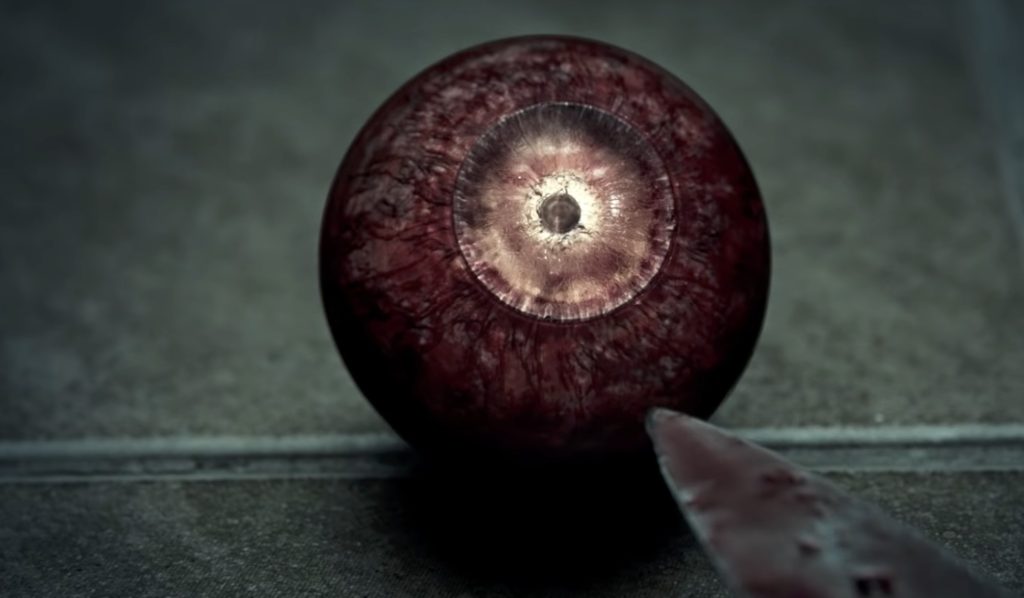
Cheongsok must find Jin-Soo, a former monk capable of tracking down and stopping the monster. As Red Eye hops from person to person, it leaves their bodies drained and empty. This trail of empty bodies draws homicide detective Ho-tae and his assistant Dong-jin into the mystery. Dong-jin was previously injured in an accident that Ho-tae was unable to prevent, leaving him with a limp.
While the monster part is all very fun and creepy, what’s far more interesting are the people doing the hunting.
The Characters
International possession movies are interesting because each culture has a very different perspective on who the prime targets for possession are. In Western movies, we use possession to show the corruption of the innocent. It’s a minor battle in a long-running war between good and evil.
In The 8th Night, a South Korean movie,the possession is rooted in karma and trauma. The people working to resolve the possession are carrying their own burdens. This impacts how they confront the monster. In short, in order to resolve the problem, they must first fix their own issues.
This takes place through two main storylines: the monk Jin-Soo, and the detective Ho-tae. Each approach the possessions differently. Both have juniors they feel responsible for, and have very strong attachments to, in very different ways. Their ability to resolve these attachments has a profound impact on how they handle the demon. As a result, their juniors meet very different endings.
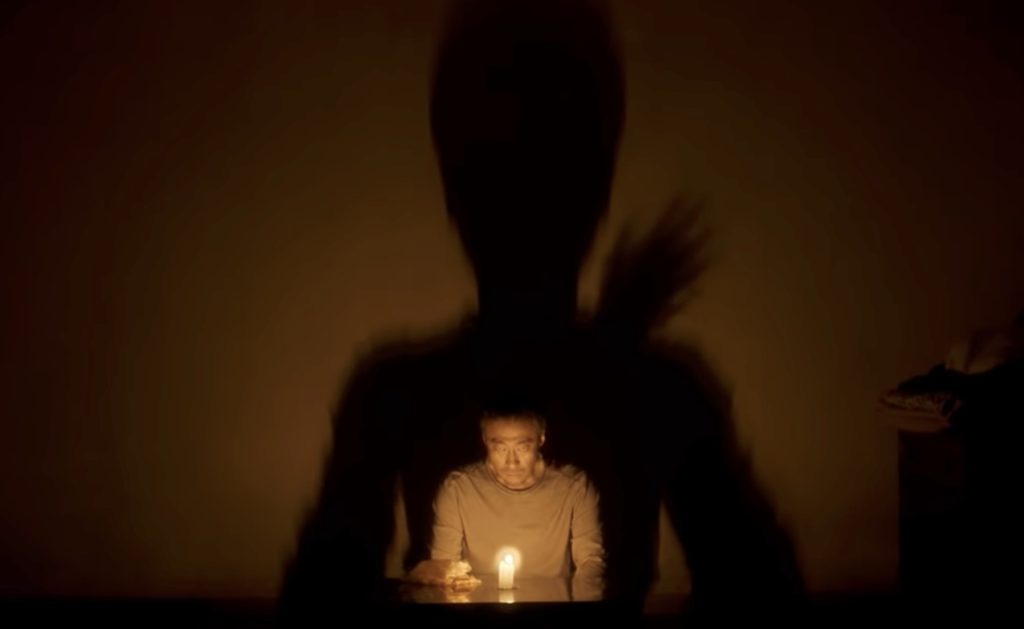
Everyone significant in this movie struggles with their attachments. Even a minor but significant character, Ae-ran, wields great influence over the plot and characters because of her attachments.
Freeing themselves from their guilt and resolving their trauma is the only real weapon they have against evil. That, and an understanding of their role in the world. Not all of these roles are happy ones. But the important part is gaining understanding and acceptance in order to gain power. The ability to stop the apocalypse comes from internal strength, not external faith. It’s a big difference from Western conventions.
The Buddhist Symbolism
Western audiences are used to being hit over the head with Christian symbolism in possession films. The 8th Night is built around Buddhist teachings and beliefs, such asred being the color of agony and black anxiety, or the number eight representing infinity and the cyclical nature of suffering.
The Truth of Suffering
The core themes of The 8th Night center on suffering due to clinging to the past, and the pain of loss and trauma. The detective cannot move past an accident that severely limited his partner and almost cost his life, Jin-Soo’s is trapped by his resentment caused by an accident that cost his family their lives. The detective never moves on and pays for it. Jin-Soo well, you’ll see.
The Cause of Suffering
The whole problem starts with a professor craving recognition and fame. It continues through very human attachment to hatred and other negative emotions.
The End of Suffering
As Jin-Soo releases his negative emotions, Red Eye loses its power over him. It’s a fantastic moment because Red Eye misunderstands what is happening. Violence is the only thing the monster can comprehend. Forgiveness is beyond its capabilities, giving the monks the only advantage they get in the final conflict.
The Path to End Suffering
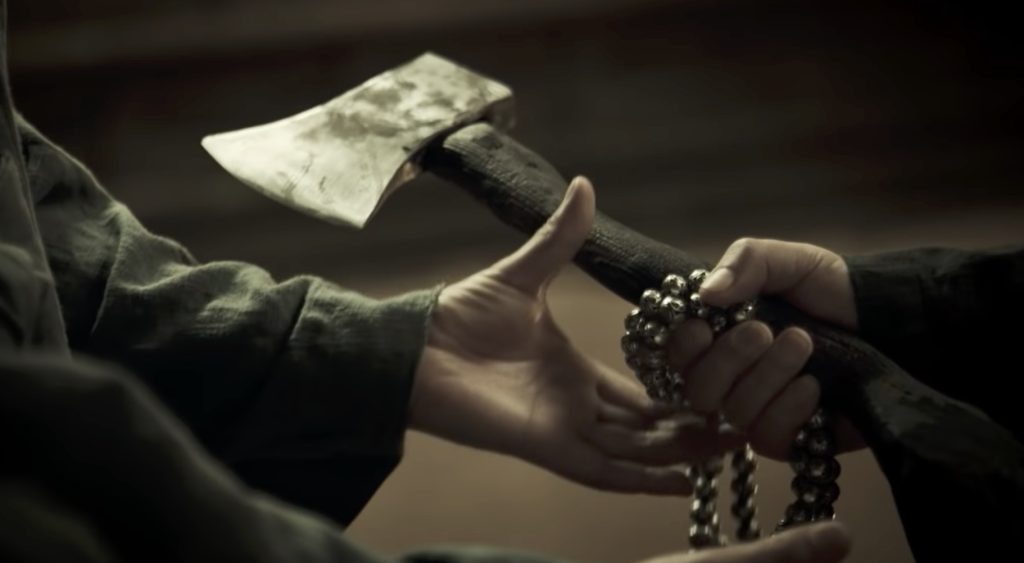
As the monks follow the eight nights, they travel through all the steps to liberate themselves from suffering and achieve enlightenment. They merge their paths, earthly and spiritual, to stop agony and find balance again.
Final Thoughts—Is it any good?
Yes, but the description is pretty misleading, at least tonally. The 8th Night is a moody and deliberately paced movie. The focus is on the theme and characters, not action or scares. It’s worth a watch, but only if you’re feeling introspective. It’s not the scariest Asian horror movie I’ve covered here. but I truly loved the ending.
The 8th Night is available on streaming.
Leave a Reply