

2026 – The Year of the Monster
Before we get into Frankenstein, I’d like to talk a bit about 2026, or as it will be called, “The Year of The Monsters”. I’m starting with the Universal classic monsters, but not in any chronological order, since that would be too easy. I’ve spent some time on the more popular monsters, Dracula and Wolf Man, so I’ll save them for later to focus my attention on the others. Frankenstein, The Mummy, The Invisible Man, Creature from The Black Lagoon and The Phantom of the Opera are all classic creatures who continue to inspire our modern monsters. They have been reimagined and recontextualized by countless writers and filmmakers because their stories are rooted in themes that will always be relevant.
They mostly fall into one of two categories: the dangers of unchecked science, and what I like to call “boy we shouldn’t be here”. As long as we need reminders to temper exploration, scientific and otherwise, with understanding, humanity, and humility, these monsters will continue to thrill and fascinate us.
About Frankenstein
Frankenstein is one of the best of these, thematically speaking. However, it is quite different from its source material. Mary Shelley’s Frankenstein is a deeply thoughtful book. Its monster is a beautiful man who is well-spoken and more deeply aware of his tragic circumstance.
- Directed by: James Whale
- Written by: John L. Balderston. Mary Shelley. Peggy Webling
- Starring: Colin Clive. Mae Clarke Boris Karloff
The movie is, however, quite straightforward with its intentions, warning us in the first scene that it intends to shock and thrill us. This is not a philosophical exercise. This is horror. As such, certain changes are necessary, like the use of a criminal’s brain to finish the now-mad scientist’s creation.
The Movie is Not the Book
Many of the changes were made to take advantage of the spectacle of cinema. Others were due to studio interferences and the need to tailor the deep story for audiences of the time. The movie is close to 100 years old and studios were making the same decisions for the same reasons: money, franchisability, and appeasing imagined audiences. I can’t say they were wrong though. Regardless of if he died in a flaming windmill or in the cold Arctic, Frankenstein and his monster became immortal, in part because of scenes created for the movie.
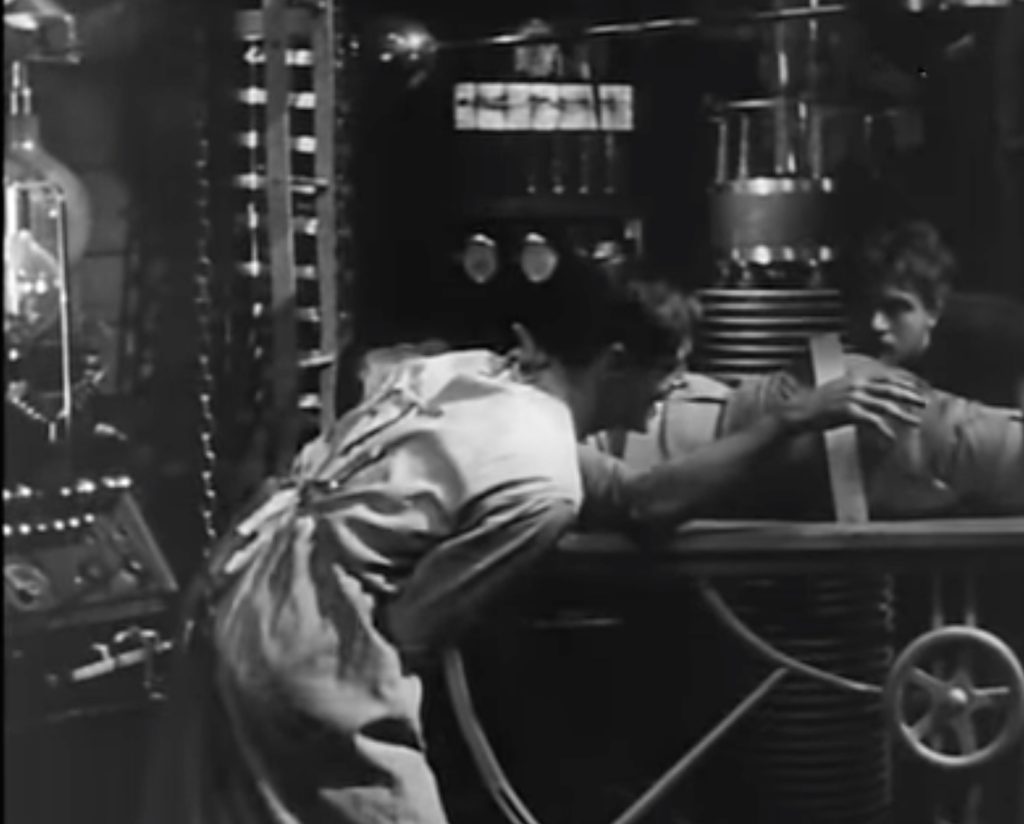
The most significant change is to the monster himself. Boris Karloff sought to create a character that was both horrific and sympathetic. The mannerisms he designed were intended to evoke something simplistic.
However, there is one specific detail added to the movie not in the book that changes the trajectory of the Creature’s arc when compared to the book. In the book, the Creature is a blank slate and becomes violent only after mistreatment by his creator and the world around him.
A Destiny of Violence
In James Whale’s Frankenstein, the creature has the brain of a criminal. This small detail establishes his violence as inevitable, the outcome of a corrupt brain combined with fear. It in some ways lets society off the hook for the Creature’s actions, as does the happy ending that Henry Frankenstein gets. Despite being the cause of so much suffering and death through needless experimentation and creation, he suffers no ill effects. His only real consequence is the destruction of his creation—a creature that never should have existed—and the lifelong knowledge that his creation tried to kill him. That can’t be healthy.
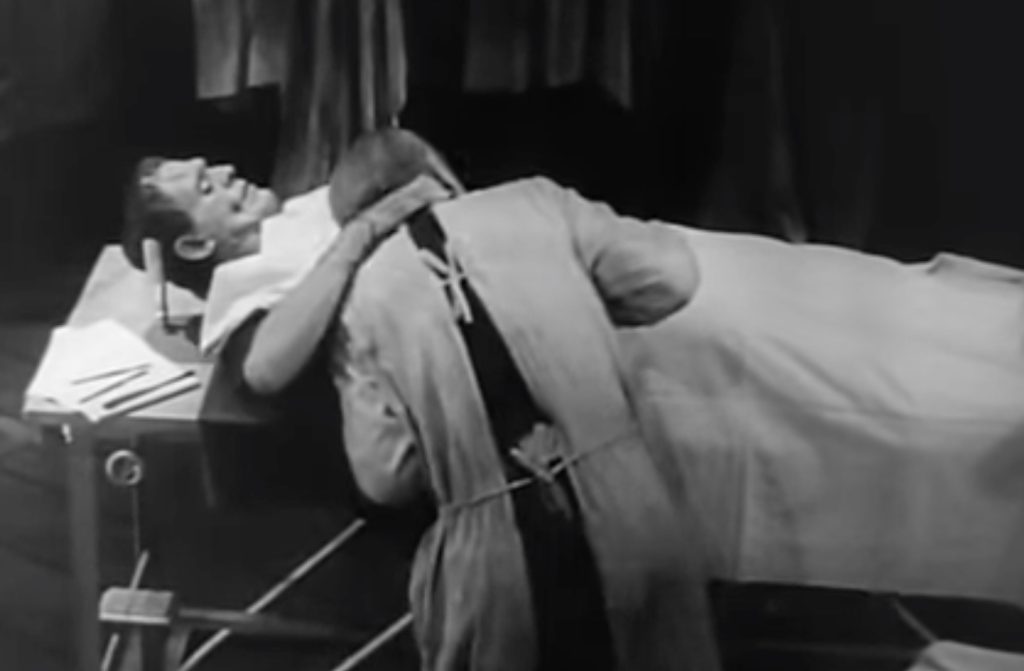
There are lessons here, but I’m not sure if they are well-developed or thought out. Henry’s solution to all his problems seems to be to kill the creature. This only highlights how little humanity he has or sees in his own creation. That’s what makes the final lines regarding his character so interesting. Henry has failed at raising one creation. At his wedding, his father toasts to future grandchildren. What kind of children can Henry raise?
Don’t fret too much. Henry will return in The Bride of Frankenstein. There, he will continue to face the consequences of his actions.
The Allure of Frankenstein
After all this time, Boris Karloff is the best to play the monster. He perfectly captures the innocence and fear of the creature, as well as his awesome strength. It’s a beautiful, nuanced performance that succeeds in making the creature far more relatable. Look man, I would have hung Fritz too had he spent all his time torturing me with a torch.
In either form, Frankenstein is a tragedy. While the book is more focused on the philosophical ramifications of unchecked science, the movie tells the story of failed responsibility. Henry creates something with the potential to be unstable and then turns his back on it. He fails to see the role he’s played in its state, and never tries to understand. Henry is just the worst.
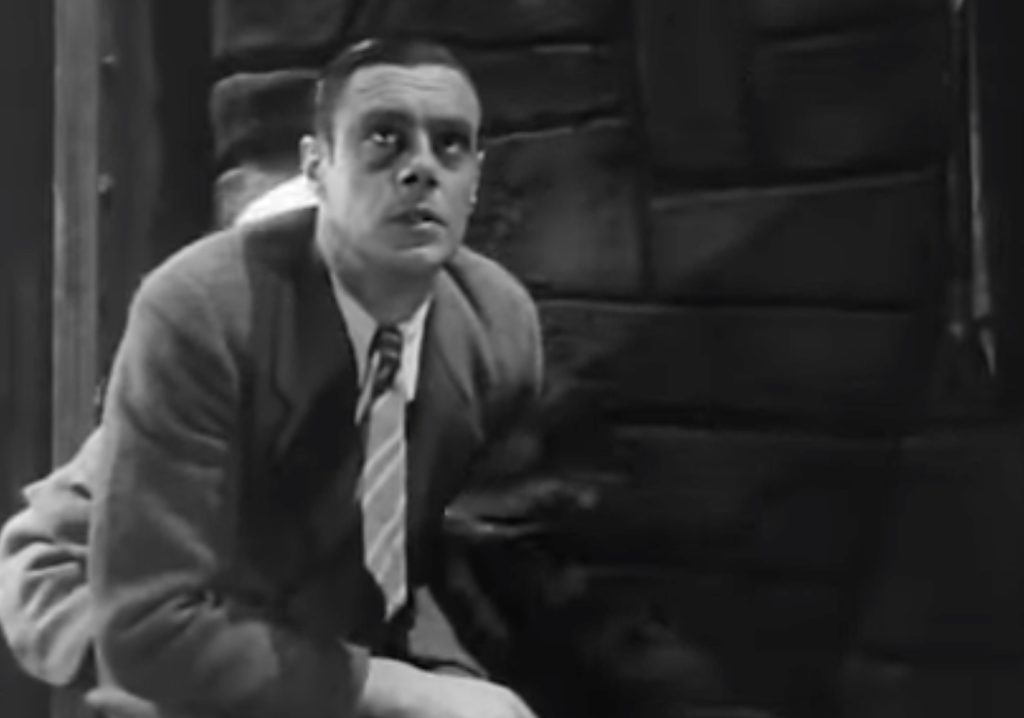
Could compassion and understanding have prevented the tragedy of the creature? As the movie dialogue puts forth, his brain was evil and violence was inevitable. But the actions of the characters never give it a chance. Our sensibilities have changed since 1931. We don’t label things like “criminal brains” quite so much anymore.
It’s nearly impossible to watch the original movie in the same spirit in which was intended. We’ve moved too far from the society that created it.
So, what does a modern Frankenstein look like? I’m so glad you asked. In recent years we’ve had a couple of interesting retellings: one putting a very modern spin on the old tale, and one attempting to move closer to the original story. I’ll be reviewing both of those movies and looking at how our relationship with the mad scientist, the creature, and the relationship between the two has evolved from the original movie.
Final Thoughts:
As a kid, I was very much into Dracula. A now older, wiser Ghoul, I’ve found much more to appreciate in Frankenstein, and other monsters. There is horror there from both sides, but also a depth of emotion and thematic sophistication I enjoy. Plus, the movie version of Frankenstein’s monster looks awesome.
Frankenstein is available in streaming but I watched the print from the Universal Monsters Box set.
Leave a Reply