
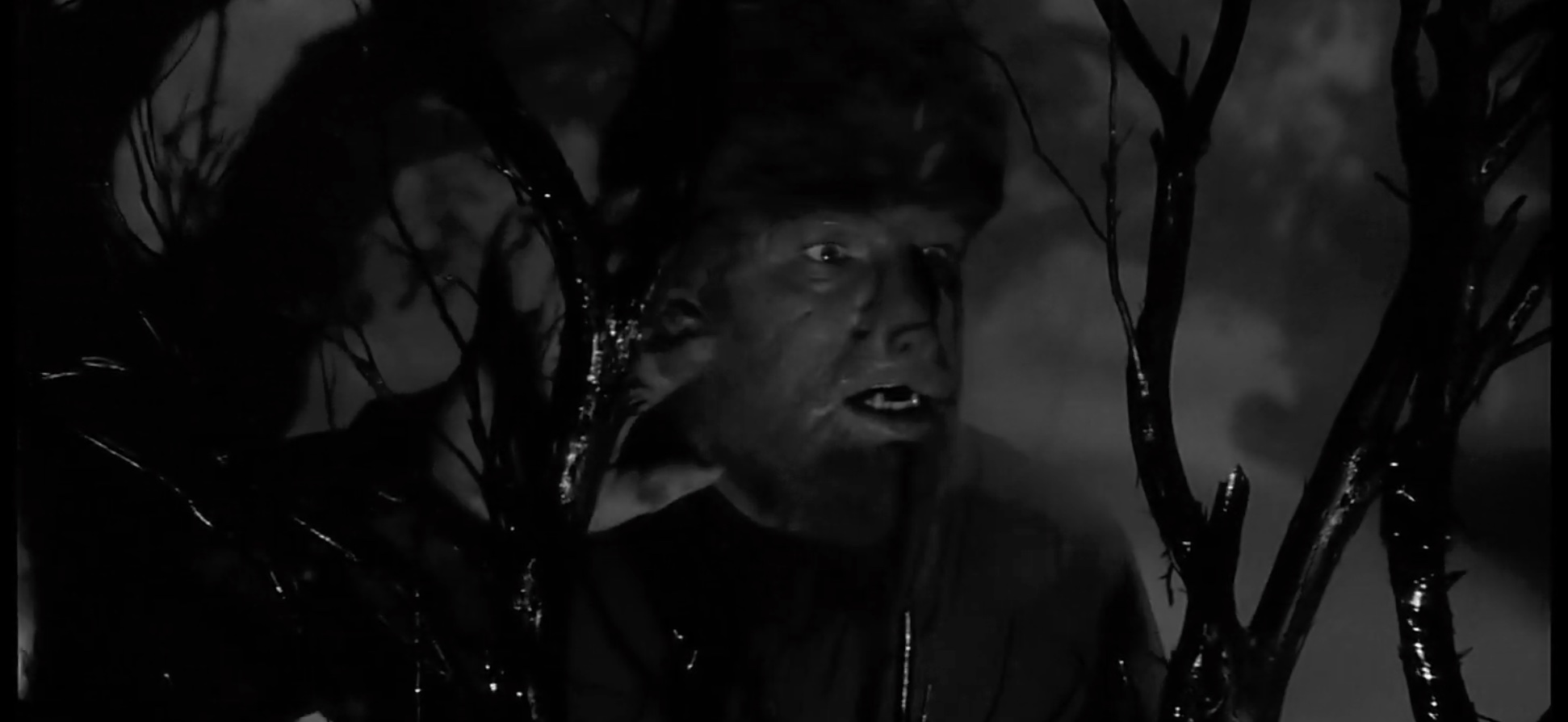
I’m not shy about my love of the original Wolf Man. Or werewolf movies in general. While it wasn’t my entryway to creature features, it’s been the monster that resonates the most. This is especially true as I grow older and more aware of the interconnectivity of the world around me. It’s a simple story with complex themes, as many monster movies are, allowing the audience to see in it what they want: scary monster mayhem or a reflection on free will, trauma, and of course the duality of man.
- Directed by: George Waggner
- Written by: Curt Siodmak
- Starring: Claude Rains. Lon Chaney Jr Ralph Bellamy
Fate and Free Will
Even a man who is pure of heart,
And says his prayers by night,
May become a wolf when the wolfsbane blooms,
And the autumn moon is bright.
One of the most important elements of The Wolf Man is the tragedy of the curse. Larry Talbot is afflicted by the curse while trying to rescue someone. He’s not being punished; in fact, his innocence is one of the most important things about his character. It makes it almost impossible for him to believe what is happening to him.
He tries to regain control of his fate and the situation when he tries to leave town to save Gwen, Larry’s love interest. But it’s futile. There is no cure for his curse, and the only thing that can stop the rampage is his death.
Real World Inspiration
Larry is a prisoner of the events happening around him. That lack of control was inspired by screenwriter Curt Siodmak’s experiences. The son of Ashkenazi Jewish parents, he was born in 1902 in Dresden, Germany. He moved to the United States in 1937 after hearing anti-sematic propaganda and speeches. Larry’s feelings are of being trapped and hunted for something beyond his control, something deeply unjust.
So much of that experience is mirrored in the themes of The Wolf Man. While most werewolf stories focus on the dichotomy of the man and the inner beast. Which let’s be honest, I love and could discuss for hours—there is another element of duality here.
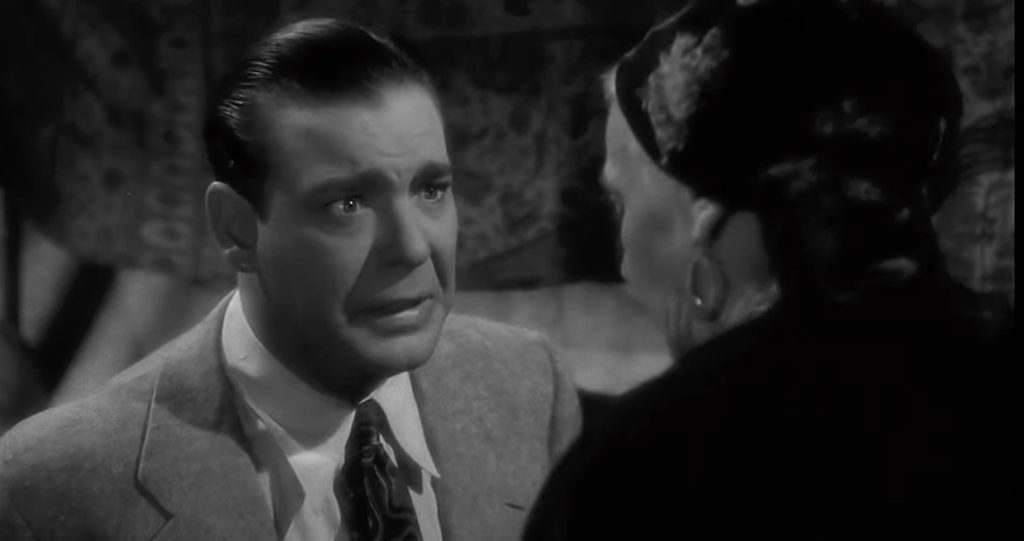
When this was made, the world was going to war. Siodmak had watched the county he was raised in turn on itself before turning on the world. Paranoia, suspicion, and fear were part of everyday life in war-time, and are very much baked into the screenplay. The duality of not knowing who to trust, including yourself, is for me the most important element of The Wolf Man. But that’s just that part that hits me the hardest.
It’s About War
The Wolf Man is a war movie There’s no escaping that fact. All the major themes and plot elements speak to the world’s fears about war and the breakdown of society. We have tragic victims caught in something they can’t possibly comprehend. But also the breakdown of authority, and their failure to provide solutions or meaningful relief.
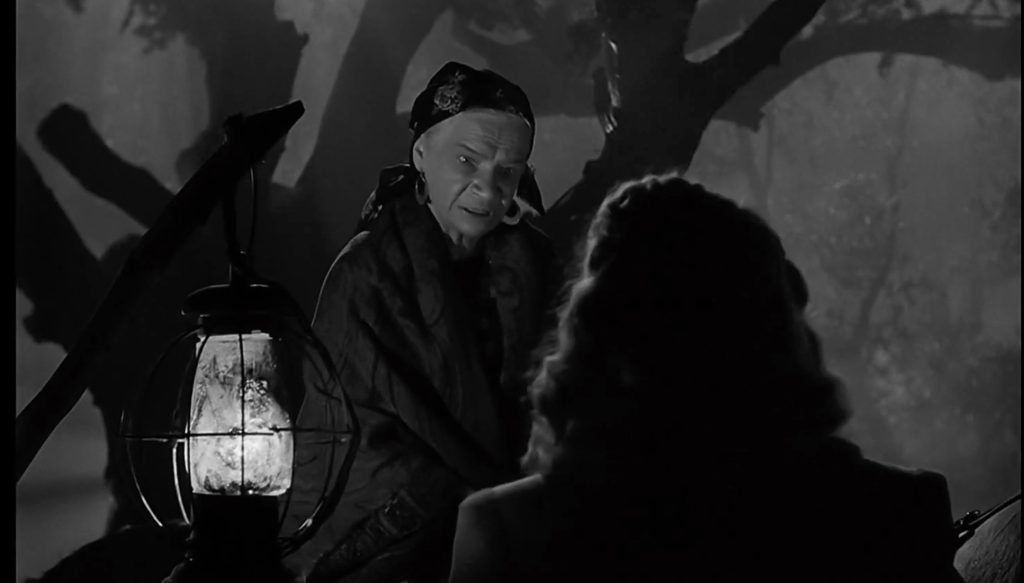
There is also one more theme that I want to talk about: the clash between the old and new worlds. The curse is built on folklore and myth. Like all things that meet the modern world, it clashes violently. The Romani’s ancestral beliefs are dismissed by the townspeople as superstitious nonsense. It’s hard to pull out what is an intended contrast of the old and new world, and what is the casual racism of the time.
It is important to call out that had anyone at any time listened to the Romani people about the curse, deaths could have been avoided.
The Remakes
It’s always interesting to me what elements of Wolf Man remakes and reimagining focus on. The very gothic 2010 Wolfman really homed in on the family relationship. It’s not a war movie and doesn’t try to be. Instead, it’s a generational trauma movie.
As is the 2025 Wolf Man. I mean, I get that it’s a good lens through which to examine the two sides of a person. With so much happening in the script, maybe the next adaptation could pick a different theme. Generational trauma is really played out in horror, and it’s time to move on.
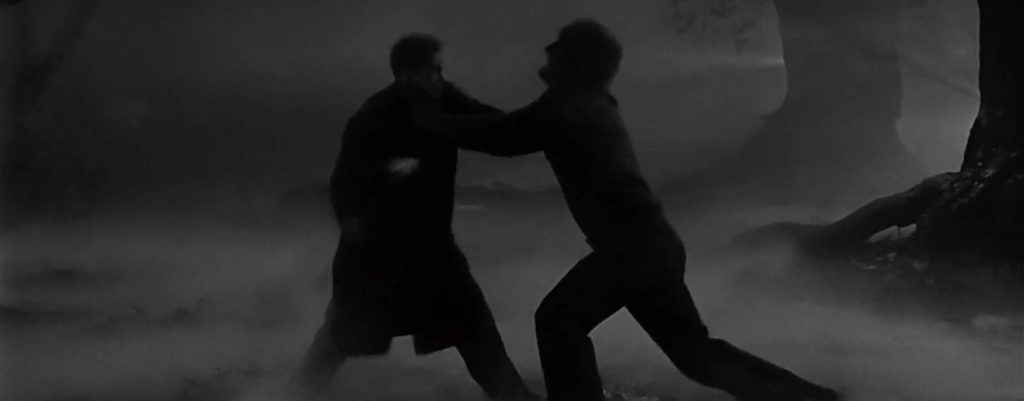
Fortunately, there are plenty of other great werewolf movies to pick up the slack. Dog Soldiers obviously hits a lot of the war themes. Werewolves Within comedically covers paranoia and suspicion.
Then there are movies that tackle new themes completely using werewolves. Ginger Snaps is about duality, but through the lens of puberty. And if you want a movie that makes very little sense but is more fun than it should be, there is always Frank Grillo’s Werewolves.
Final Thoughts
There were three werewolf movies made before this one, including a silent film and another Universal movie Werewolf of London. Everyone seemed to latch onto The Wolf Man as the basis for so many remakes. This may be because it fell into the same timeframe as the other now-classic Universal Monster movies, or maybe because of the reasons that I love it so much too. If you haven’t seen it give it a shot. You might find it surprisingly relevant.
Leave a Reply