
This President’s Day politics, horror and camp collide with an episode of Master’s of Horror called “The Washingtonians”. But first, a word about politics in fiction, specifically horror.
It feels like about ten years ago when I first remember hearing the complaints about how everything in entertainment was “becoming too political”. To me, this statement has always seemed to be shorthand for “my preferred brand of escapist entertainment is making me think about subjects that make me uncomfortable and that’s bad”.
Entertainment is art; it’s a reflection of life, and life is inherently political. Politics, after all, influence every aspect of our lives. The cost of goods and services, our rights and freedoms, and even how we view each other, are all impacted and influenced by governmental policy. The mood of the county is reflected in the art of the time, and that includes horror movies.
What We Mean By Politics
Class warfare, over-consumption, corrupt capitalism, fear of the feminine, equality, unchecked science progress; these are all political issues that varying administrations have attempted to tackle in wildly differing ways. They’re also the themes of some of the most classic and beloved horror films, and it’s not even an exhaustive list.
Other genres tackle these themes as well. Action heroes fight for the voiceless, often tackling the most recent global villain or corrupt government. Drama covers real world stories that can’t escape these themes. Horror is, however, uniquely positioned, as its main goal is, after all, to scare you. Taking everyday challenges and stretching them to the extreme, while still leaving them recognizable is a surefire way to instill dread in your audience.
Matter of Degrees
Yes, there are films that have themes that are not as politically aligned or have less of a focus than others. In the end, realistic characters are going to be dealing with the same issues we are, and that means politics.
I understand the temptation to check out, turn your brain off, and be entertained. It can be overwhelming and exhausting feeling like everything you engage in is a lecture. Or a referendum on you, your existence, or behavior. It’s work to look at why you feel that way, when all you wanted to do is sit down and watch a movie.
Not every movie might be worth the effort. Unpacking the environmental messaging in Zombeavers is probably not as rewarding as engaging with the struggles of the Sawyer family. Texas Chainsaw Massacre is about working-class Americans displaced by modern technology and ignored by the government in a world that’s become numb to violence, and who also happen to kill and eat people. It’s a theme that was relevant in 1974, and remains so today. It’s also subtle, hidden beneath chainsaws and shock.
Getting to the Point – The Washingtonians
So, what about horror that proudly waves its political messaging like a flag? Since I’ve already rambled on, instead of a movie, let’s talk about an episode of Masters of Horror that I find myself thinking of more and more these days: “The Washingtonians”.
- Directed by: Peter Medak
- Written by: Mick Garris Richard Chizmar Johnathon Schaech
- Starring: Johnathon Schaech, Saul Rubinek Julia Tortolano
After an opening where a young woman walking home at night is beheaded by Revolutionary War-era dressed men on horseback, the story focuses on a family listening to a shock jock ranting about government propaganda regarding the Gulf War, and how the government controls the news. This is Mike Franks, and he his family are on their way to clean out the home of his recently deceased grandmother.
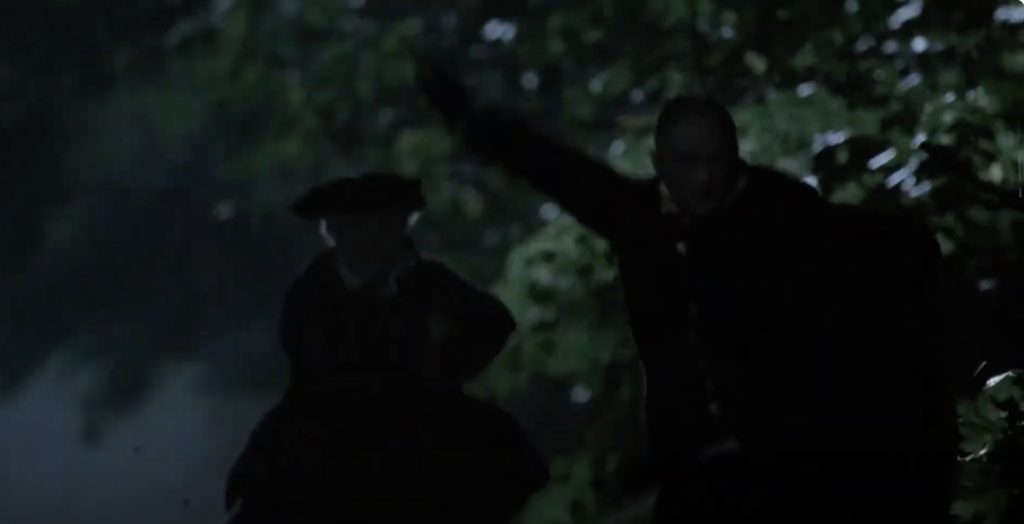
It’s a creepy house, and outside they meet a creepy man, Sam, who was friends with the grandmother. Everything about him is wrong, from his overly friendly nature to the compliments he gives Mike’s daughter, Amy. When Mike tells her she doesn’t have to be scared of everyone, we already know he’s dead wrong in this case.
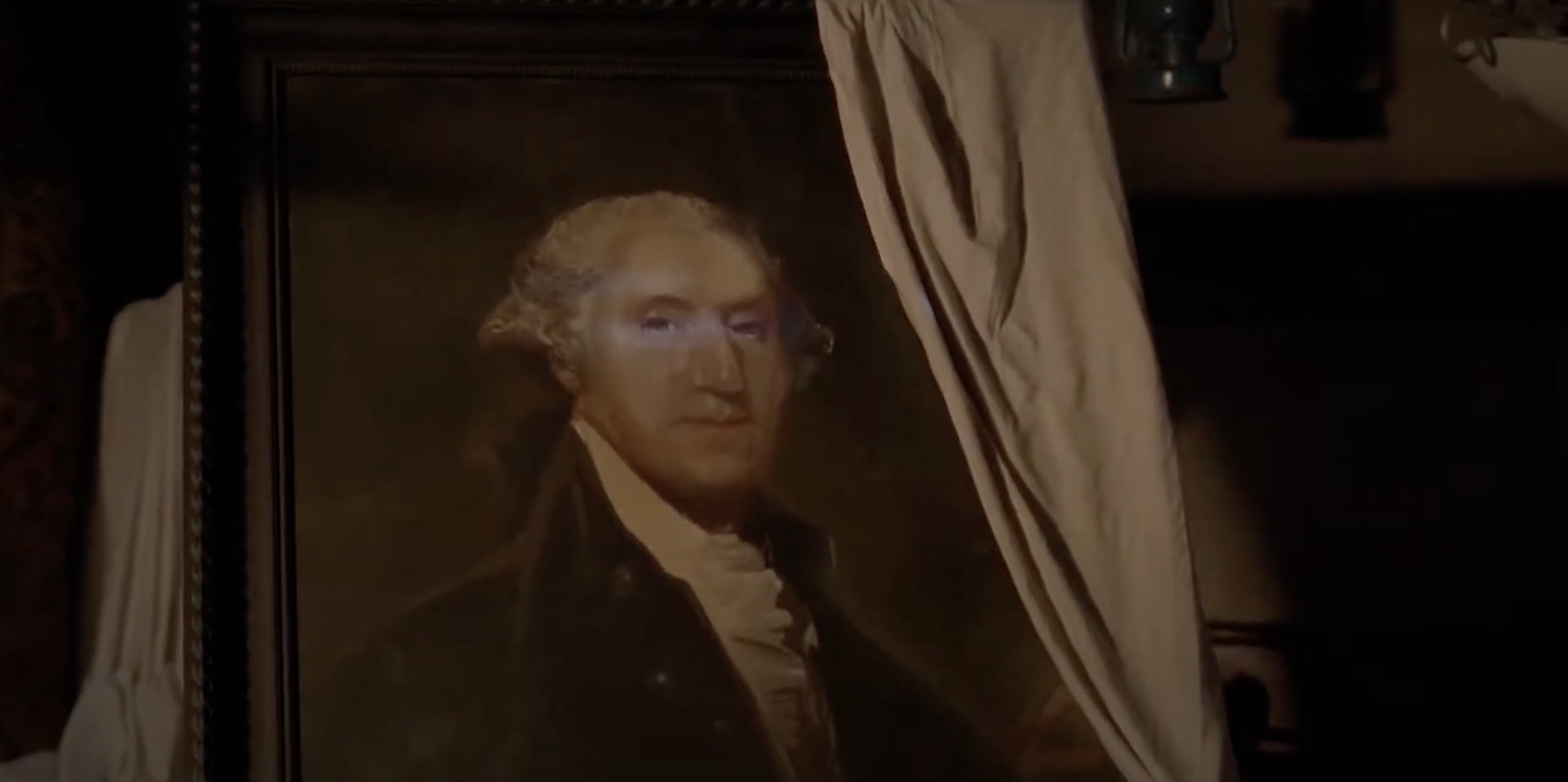
To be fair, the daughter does seem to be afraid of everything; a painting of George Washington in bad lighting scares her so much that she screams. Amy tries to face up to the painting, but in the process, knocks it over, tearing it. Mike discovers a fork and parchment with a threatening letter about skinning and eating children, signed G.W. Mike and his wife examine the fork and realize it’s human bone.
Didn’t Cover That In Class
Outside, they discuss the world-altering discovery that George Washington, the father of our country, may have been a secret cannibal. They start hearing noises and feel like something is watching them. That night they head to bed without incident.
At the grandmother’s funeral, they meet her friends. The biggest flaw in Mike is that he didn’t immediately leave after meeting these people. In fact, he even gives the parchment to Sam. Sam tries to get Mike to sell him the parchment immediately, but Mike thinks it should be in a museum. Sam becomes threatening, and Mike falls back on, “I need to discuss it with my wife”. On the way, home the Revolutionary War era men on horseback chase his car, threatening, but not attacking him.
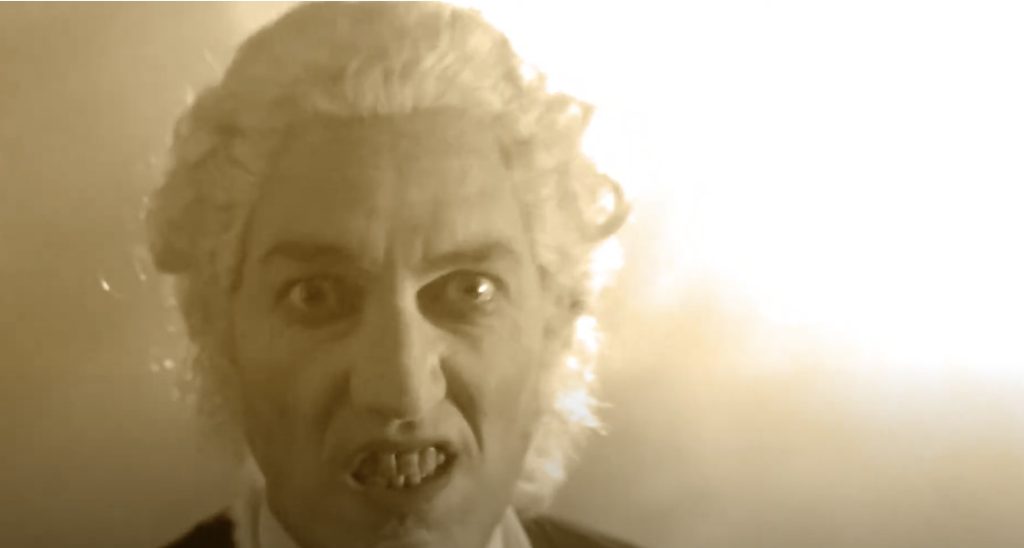
Once the thought of dangerous people is in Mike’s head, he can’t get it out. A dinner at local restaurant takes a dark turn, as he watches the other patrons hungrily and messily eat. Upon returning home, they discover someone has broken into their home and left a human heart in the kitchen. The cops are less than helpful until they parrot Sam’ words to Mike, revealing that they never intended to do anything at all.
Even after returning to their own home, the staking continues. Groups of men in Revolutionary War-era wigs and makeup try to break down the door with hatchets. They threaten him and his family but run when the police show up.
History and Myth
After finding human fingers in his breakfast cereal — yeah, that happens — Mike contacts a friend of his who’s a professor. When they meet up, the professor tells him all about the Washingtonians, a cult obsessed preserving the legacy of George Washington, while also celebrating who he truly was, just in private. George Washington was a cannibal. History is a series of myths. Myths are more important than fact, since they’ve shaped nations’ perceptions of themselves.The Washingtonians uses an extreme example, but it roots itself in one fact . Our founding fathers were not perfect, not legendary people, just flawed humans.
After the professor explains everything to Mike, the Washingtonians attack. The professor grabs the letter and flees, while the Washingtonians capture Mike and his family. These cannibals are ridiculous and honestly bad party planners; there are way too many people in one room for the amount of food served.
The Dinner Party
George Washington’s revised history starts at Valley Forge, when the winter was so long and supplies ran so short, that the army was forced to resort to eating their dead. Then others. After explaining that Washington wanted to create a nation of cannibals — not sure how that would work — they ask for the letter again. This time, at knife point.
Before they can do any harm, the professor busts in with armed cops and puts down the Washingtonians. As Mike and his family escape, the professor gives him the letter and asks him to tell the world.
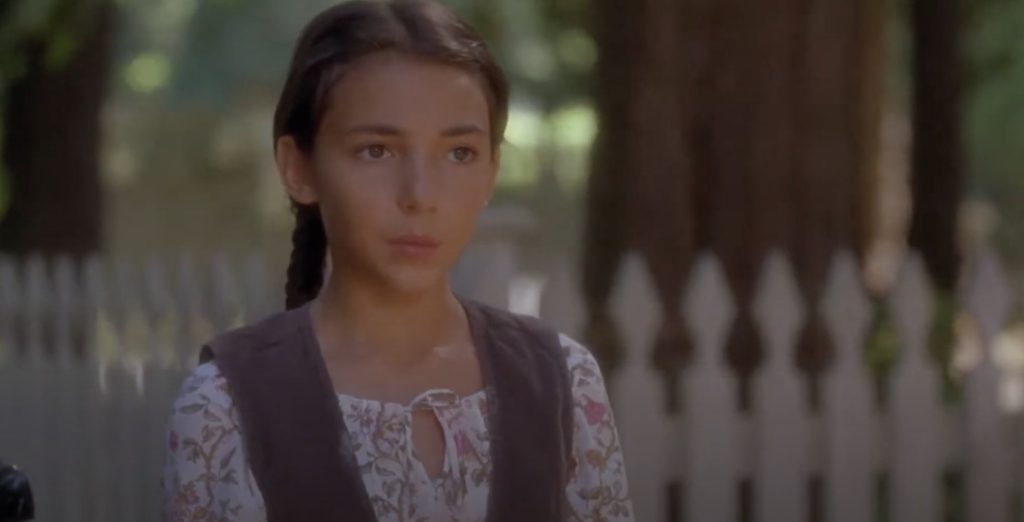
Six months later, the Franks are vegetarians, and George Bush is now on the dollar bill. The shock jock is ranting about American history. What else has changed? We don’t know.
The Politics
Revisionist history to push an agenda is one of the biggest issues in politics. The good old days, and every generation has their “good old days”, weren’t always that good. Perception is often based on myth and selective interpretation. The real issue is the people who are willing to do anything to preserve their version of history.
“The Washingtonians”, perhaps inadvertently, captures some of the hypocrisy of these people. They honor and believe in cannibal Washington but need to keep his legacy and true goal for the country secret. Is it truly hero worship if you are hiding who he really was? That sounds more like shame, or fear.
“The Washingtonians” is a campy look at revisionist history, the importance of myth and perception, and the tragedy of poor meal planning for groups. All things that are increasingly relevant in today’s complicated political environment, where the lines between truth and propaganda have blurred, and fact-checking is little more than “because they said so”.
Final Thoughts:
Art being political doesn’t mean you have to agree with its perspective to enjoy it. The countless slashers that emphasize that sex kills, are still fun for me. It does help my enjoyment to be aware of the messaging, and how it affects me.
One last side note: it is possible to love something that is flawed. You must first accept the flaws and move past them or embrace them and work for the better. Pretending things were better than they are, doesn’t make them so. This holds true whether that’s it’s a person you admired that maybe wasn’t totally worth it, a movie that no one else gets, or a country that’s struggling to be everything it promises.
Happy President’s Day
Masters of Horror is available on streaming
Check out my other reviews here:
Leave a Reply