
As we kick off spooky season rather than a review I want to look at some recent trends in horror. Especially when it comes to casting and the new Final Man.
Men have taken center stage in horror. In the beginning there was the Final Girl. This archetype was created so men and women could have a relatable lead. She was equal parts vulnerable and resilient, and most of the time she could cry while also wielding a weapon.
The Final Girl Evolves
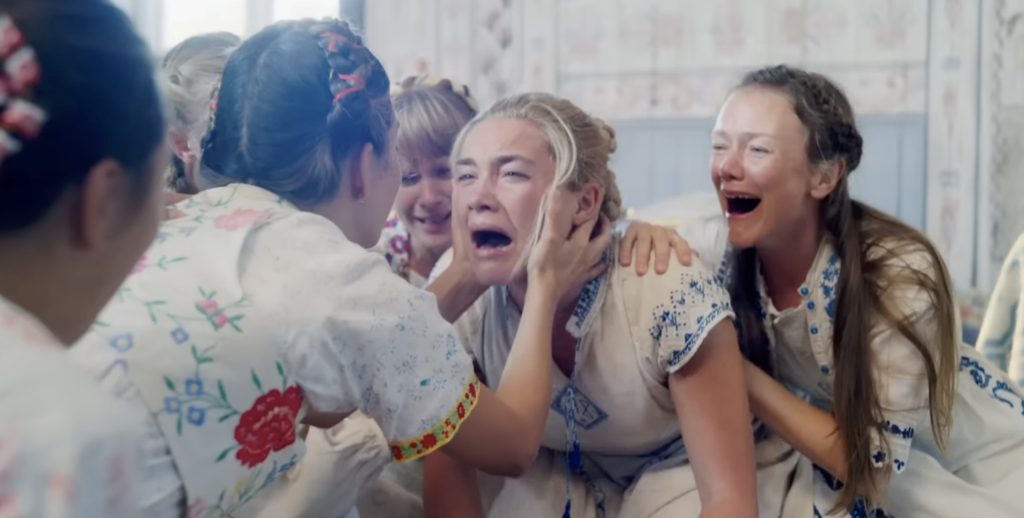
As the Final Girl moves from the observant “good girl” to the ultimate survivor and warrior, she becomes not just physically capable, but savvy, smart, and deeply emotionally complex. Somewhere around 2019, our Final Girls became much more comfortable with darkness and evil. In Midsommar, Dani embraced a cult to find belonging and relief from grief and depression. You’re Next sees Erin tread the line between victim and killer. And by the time Pearl enters the scene, we’ve fully embraced our villain.
We need more complex characters because we recognize more traits in ourselves. We’re not satisfied pigeonholing ourselves into limiting definitions like “the good girl” or “the virgin”, not when role models like Ripley are just waiting around the corner.
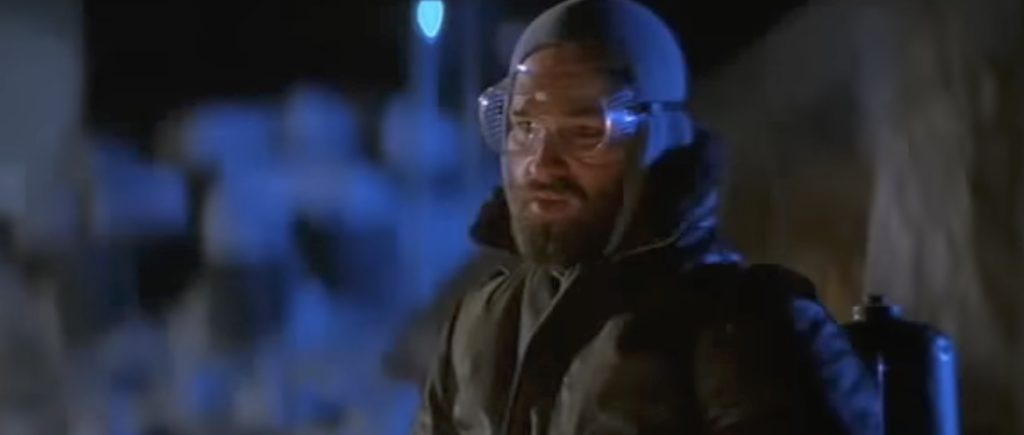
We also developed the need for a more a masculine Final Man. While there were always teenage heroes alongside our final girls, it was the older and wiser men that first led the charge in horror. Van Helsing and Dr. Loomis all came from the older mentor pool, wise experts who could face down evil with experience and science. We won’t talk about the character assassination of Loomis in the later movies. Like our Final Girl, our leading man evolved from the wise mentor to the action hero. In the ‘80s horror, developed an action flavor with hits like Predator and The Thing. But it wasn’t just big strong men who were taking care of inhuman problems. We’ve seen fathers defend their families, and the most used trope: the Everyman who steps up to save the day.
The Self Insert
This shift in leading characters was due to audiences wanting to see themselves more, but also being more comfortable seeing men in positions of vulnerability. Eli Roth’s Hostel was noteworthy at the time because it primarily featured helpless and victimized men, as did the original Saw. These are two very early examples as they also feature deeply unlikeable main characters.
It’s not until recent years, however, that’s become apparent that the way we see and define masculinity has shifted Along with it, the traits of the Final Man. I’m reluctant to say Final Boy, because most of the characters we’re talking about are adults, not teens.
The Decay of Authority
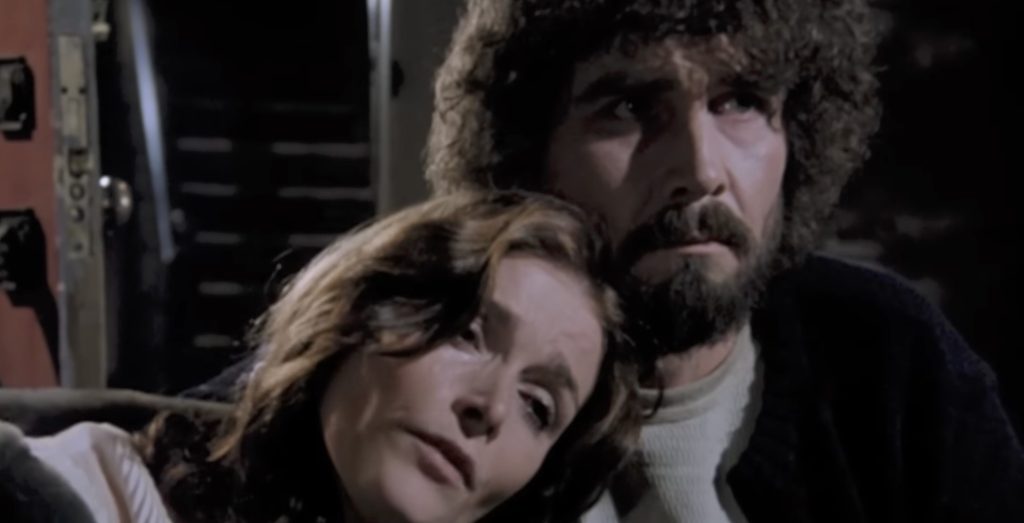
The first issue is authority and what it represents. In the past, authority was a comfort, something that could be used to force evil into submission. As time went on, it became the source of evil itself. These are gradual changes in character. That’s what makes them so horrifying. Amityville Horror is only shocking if George Lutz is a loving father first and then possessed by evil. The idea that someone so devoted to their family could suddenly turn on them and torture them is beyond comprehension, even if it is supernaturally motivated.
But time marches on, and as a society we look for men to provide different things. Now, the boys of the late ‘90s and 2000’s are old enough to make movies and create characters on their own. The messages they internalized growing up and the state of the world have become realized on paper. The result is a very complex look at masculinity represented through the Final Man.
What Horror Reveals
Horror is very good at stripping away what we think we are. It exposes our most prized attributes and rendering them useless in the face of an unstoppable adversary. Good horror makes us question how useful the strength, wisdom, or security you think you’ve attained is in the face of death.
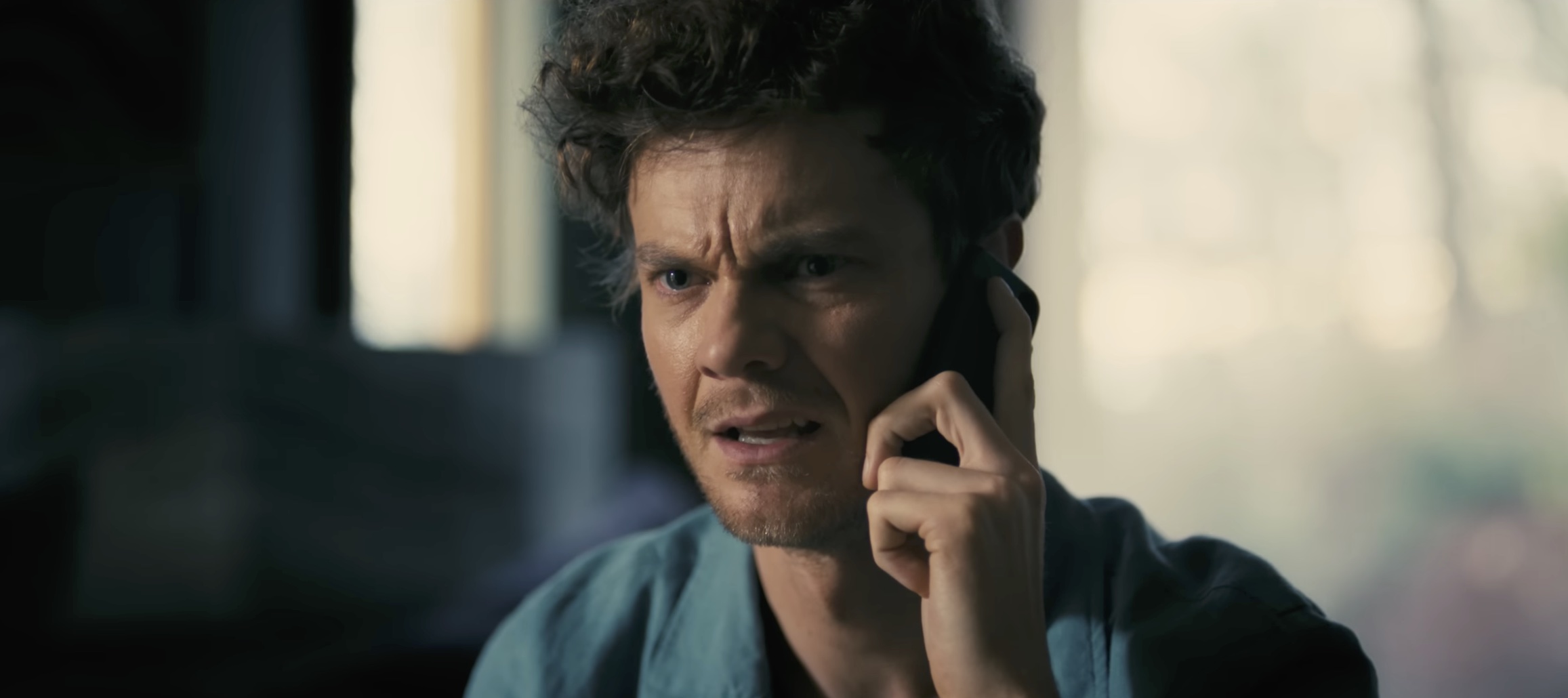
Modern horror seems to focus a lot of on the deconstruction on the provider or protector. While the overall implementation of Leigh Whannell’s Wolf Man was not great, this is one aspect he was trying to deliver on. His male lead is a mess of failed aspirations, jealousy, and inadequacy. He’s replaying his own trauma while trying not to pass it on to the next generation, leaving him completely defenseless towards what happens next. In a lot of ways, this makes Wolf Man one of the best examples of the new male lead. It also touches on body horror—or in this case, the monster was inside him the whole time.
So not only does his past betray him, but his body does also . Both of them combine to turn him into the thing his family is most afraid of. In this, the werewolf is his physical manifestation of rage. It’s not a great movie, but had they spent less time on other elements and really hit these themes more, it could have been something. The father in Wolf Man is failing at being a provider and a protector, it’s a personal failing.
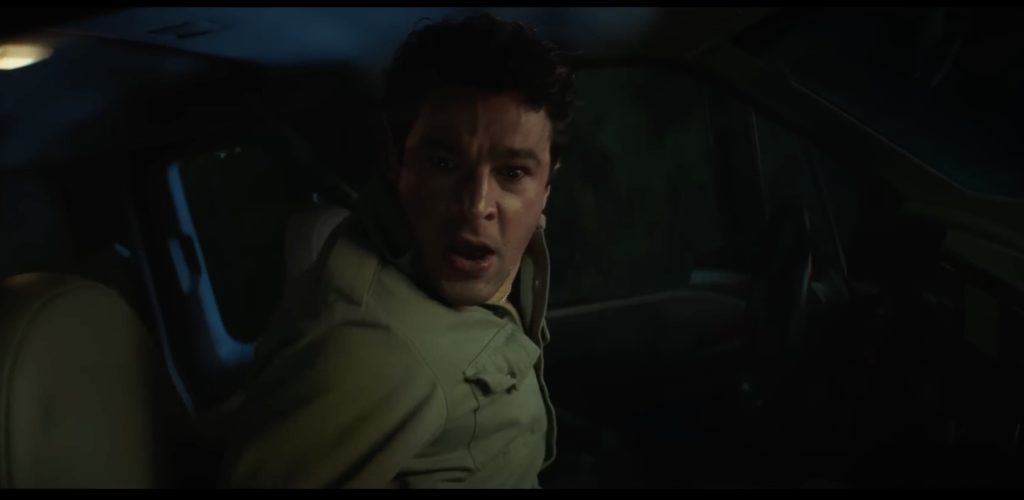
There are other more interesting examples from the past year and a half as well. The Backrooms adds professional failing as well, with our former architect who would rather stay in the backrooms than confront his own faults.
Failed Masculinity
And then there are the toxic romantics. While you could argue that this is a subcategory of failed providers, we’ve had such great ones. It’s easy to start with Obsession and Bear. Recency bias is a thing, but I’ve got to go back to Companion and Josh, a provider so toxic he couldn’t even date a human. His need for control and selfishness is absolute and rather than address it, he embraces it, adding further crimes to his list. All because he feels like he deserves it.
Thematically, if I were to take all the characters in horror of the past couple of years in broad strokes, they would be characters who are shown to be lost in life. They have found themselves to be powerless and don’t know how to cope. Some of them react by becoming the thing they fear the most. Others must go through an emotional catharsis in order to break through, like Ohm in Hokum. Despite everything that’s happening, both natural and supernatural, the biggest issues he must face are his own traumas. Once he does, he can actually help others. Side note: I will eventually do a full write up on Hokum. It deserves one.
Final Thoughts
Horror’s main characters are more complex and less likeable than they used to be. They’ve traded good for relatable. And bringing the horror closer to home. The failures are our own, and the consequences might be as well. As of late, there is one question that keeps being asked of these leading characters. “What does the world want from me and what will happen to me if I cannot deliver it?” It’s a familiar question, and one that’s probably a lot more chilling than “what’s your favorite scary movie”.
Leave a Reply