

Tumbbad is a bit of an outlier for me. I’m not super familiar with Indian Horror or its genre standards. This one required a bit more research than usual, especially since the movie relies on so much historical and spiritual context. Tumbbad is a generational period piece that warns about the dangers of capitalism in India.
- Directed by: Rahi Anil Barve. Anand Gandhi. Adesh Prasad
- Written by: Mitesh Shah. Adesh Prasad. Rahi Anil Barve
- Starring: Sohum Shah. Jyoti Malshe. Dhundiraj Prabhakar Jogalekar
It starts with the backstory of Hastar, the first son of the Goddess of Prosperity. Hastar is the manifestation of greed, and the other gods attacked him before he could take all of the Goddess’s gold and grain. The Goddess saved him by imprisoning him and ensuring that he would never be worshiped, but cursed him with both endless gold and endless hunger.
The Characters
Vinayak is our main character. His ancestors built a shrine to Hastar, worshiping him to gain wealth. This is largely a terrible idea. Even in the background, the critique of wealth and social structure shines through. Vinayak’s mother is a mistress for a wealthy man who keeps her and her sons in poverty. Tumbbad is critical of all forms of wealth and exploitation. The caste system contributed to the greed. And to really understand how Vinayak ended up here and why he continues to make his decisions, Tumbbad tells the story through generations.

The Economics
It’s also a story of industrialization. As Vinayak grows in wealth, he begins to resemble his father more in his lifestyle. That’s not a great thing spiritually. He almost takes a mistress, but his fear of his secret treasure being exposed overwhelms him.
This lifestyle creep requires him to innovate and increase his scale of wealth. He needs more gold to fuel his own endless hunger. This leads him to involve his son in his plan, as he is ageing and cannot keep up with the physical requirements for gathering the gold. His decline is also due to his lifestyle choices. He parties, smokes, and clearly is not following a spiritually clean lifestyle. He also overspends for the production of gold. In order to secure more gold from Haster, which involves traveling to his father’s mansion in Tumbbad, he purchases a motorbike, then a car, and has to make dough dolls to distract Hastar.

A Destructive Cycle
But greed just gets more greed. Vinayak is trapped in a cycle of generational dependence on Hastar, and the desire to escape the circumstances of his birth. As his wealth increases, so does his need to accumulate more. His son comments that Vinayak has become unable to like anything. He has associated things with their monetary value too much for them to hold any other meaning. It’s about what it costs, not what it inherently is.
In the end, Vinayak pays for his greed, as does everyone who has used Hastar’s curse for their own gain. At the last moment, his son turns away from the same path.
So, there is clearly a lot going on there in a movie packed with visual and narrative metaphors. It addresses first the damage that feudal systems of wealth have on social structure, as well as the dependency it creates and the lengths that people will go to in order to maintain or overcome that dependence. Before moving to capitalism and its cold reduction of humanity to ROI: I believe Vinayak has other children, but we don’t see them much outside of one scene, because they don’t impact his search for wealth.
The Spiritual Path
Succumbing to the curse is the ultimate spiritual failure. Instead of freeing themselves from their physical body, the cursed become rooted in cursed immortality. It’s grotesque and visually effective.
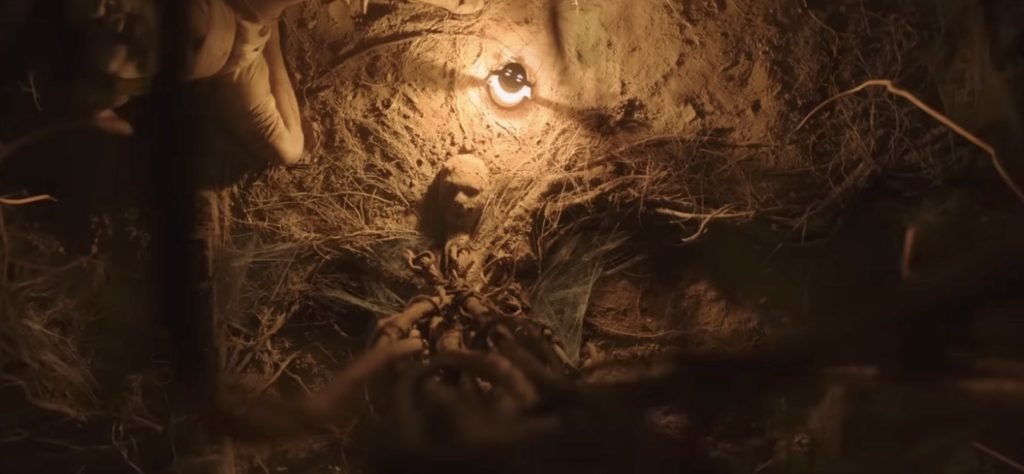
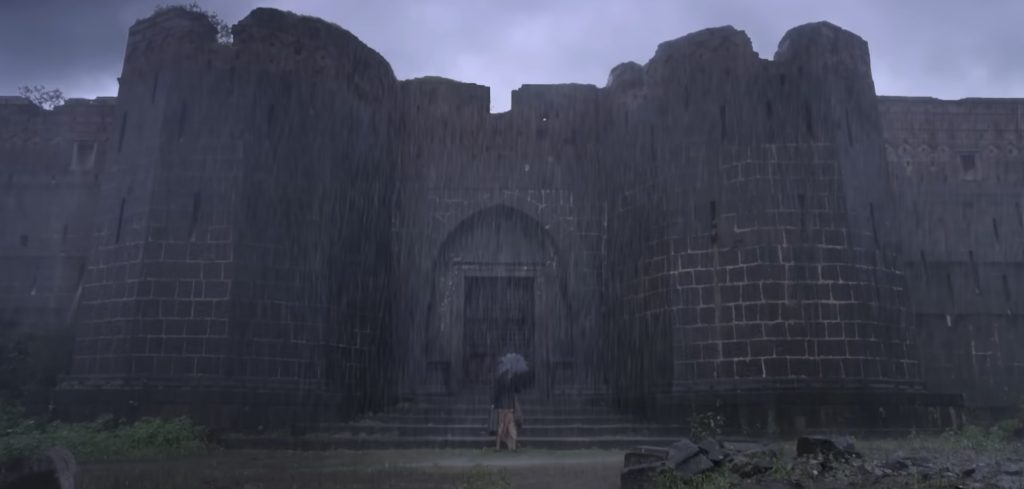
The visuals of Tumbbad sell the themes and world-building. From the unending rain of Tumbbad that rots and ruins everything, to the small touches that fill every scene. The posh mansion that Vinayak buys that slowly falls into disrepair around him, the shifting color palettes as time goes on. It all presents an easily understandable world, even for someone like me who doesn’t have the deepest grasp of the history and culture of India. And the overall cinematography was gorgeous.
Final Thoughts
Ok, I didn’t know what to expect going into this one, but I really enjoyed it. Tumbbad spends more time on character and setting than on jump scares. The scares it does have are deeply effective, especially when combined with the audio (H3 was in the room and wasn’t paying attention to the screen but commented how good the audio and score was). It’s worth a watch for anyone interested in something new, and who doesn’t mind subtitles.
Leave a Reply