
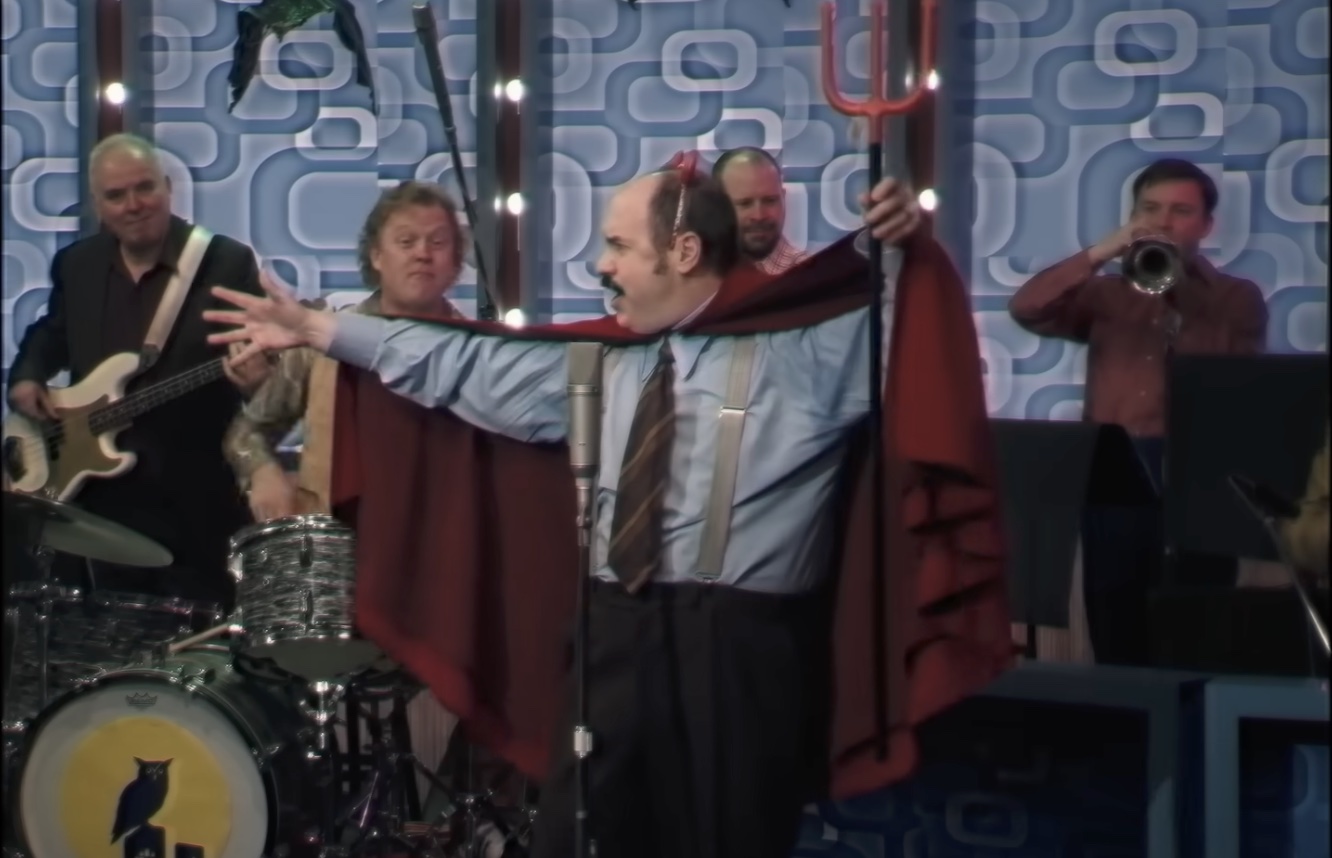
Sometimes I just want to talk about a movie I like, today, that’s Late Night with The Devil. If you’ve read a few of my blogs, you know I’m a sucker for a period piece, especially one set in the 70s. Late Night with the Devil captures the tone and aesthetic of the 70s. And for those not familiar with the times, there is a short recap that sets up the tone of the period. This includes the start of the “satanic panic” years, although that really took root in the 80s.
- Directed by: Cameron Cairnes. Colin Cairnes
- Written by: Colin Cairnes. Cameron Cairnes
- Starring: David Dastmalchian. Laura Gordon. Ian Bliss
It’s set up as a mockumentary of sorts with the movie being unaired footage from the last airing of late-night TV show “Night Owls with Jack Delroy”. This was a Halloween episode, one year after the tragic death of Jack’s beloved wife, Madeline. It’s supposed to be his big comeback. And of course, that’s where it goes horribly wrong.
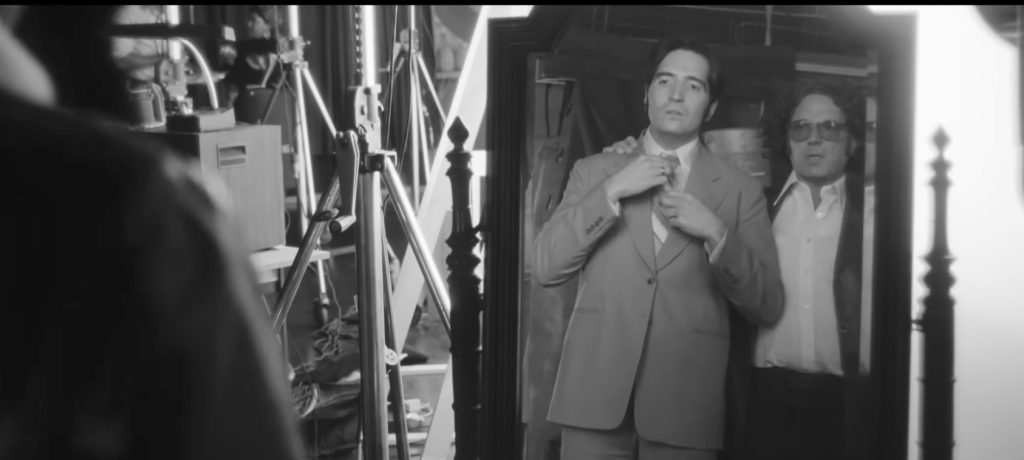
Late Night with the Devil is not shy about its themes. It’s very much a movie about fame and sacrifice. If it were just about that, it probably would have fallen flat. A large part of the appeal of the movie is its layered characters and how they are portrayed.
Plot:
Jack Delroy is played by David Dastmalchian, who is admittedly one of my favorite actors. He’s usually a character actor, but this time he’s a leading man. Most of the movie rests on his shoulders and his ability to convey Jack’s complexity. Jack is desperate for fame and success, not just for his own purposes, but because he needs his sacrifices to make sense.
He’s not a bad man, mostly. He’s just looking for answers, and he’s desperate. That’s a bad combination. He just can’t handle the weight of what he’s done.
The other impactful performance is Lilly, the thirteen-year-old girl possessed by a demon. Played by Ingrid Torelli, she’s equal parts charming, precocious, and creepy. She commands each scene she’s in. While her delivery of dialogue is unsettling, her physical work is even more impressive. Every move of her head, and especially her eyes, is tense and uncomfortable to watch.

It becomes clear that there might not actually be a Lilly, just different faces of a horrible entity.
Late Night with the Devil is a slow burn. It’s heading to an inevitable conclusion that is clear from the beginning. How we get there is fascinating, as is working through Jack’s motivations for this macabre show. When Lilly finally gets possessed, she reveals the truth behind Jack’s success.
Sacrifice:
There are a lot of movies about sacrifice. It’s a deep topic with a lot of room to explore. How much people are willing to give up for fame and fortune, or success and happiness, will always be worth examining.
Pairing Hollywood success and devil worship isn’t exactly new either. Filmmakers really like comparing creative success to selling your soul. I think it’s more universal. Anyone who’s struggled for any measure of success has made sacrifices, many of which you don’t fully understand until years later.
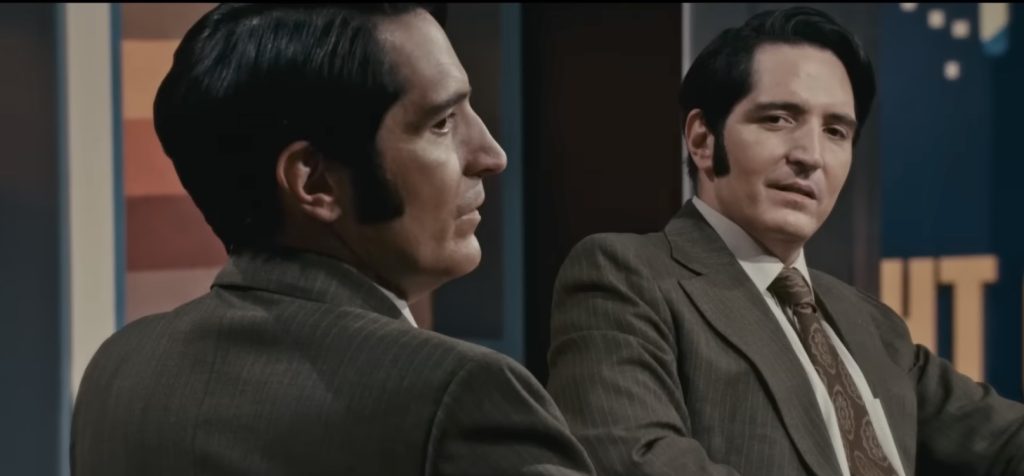
The thing that’s interesting to me about Late Night with the Devil is that Jack sells his soul for second place. Jack gave up the most important thing in his life and never got what he traded it for. This is also life.
Sometimes it’s years at a dead-end job for no reward—giving up time with family, friends, and real life—for a goal that never materializes. Is it as dramatic as selling your soul to a demon for a hit TV show? Probably not, but it’s equally tragic because it’s an ongoing series of everyday sacrifices.
We all make sacrifices every day, not knowing how it’s going to work out in the end. Maybe we should stop more and think about the choices we’re making before they become permanent.
Spectacle
I spoke earlier about the atmosphere of the movie. It perfectly captures the vibe of a Sonny and Cher-style variety show. Anyone familiar with that time period would know the impossible task Jack Delroy set out for himself. Beating Carson in the ratings would have been a tall order.
The movie is set up as recovered footage. Within that, much is made of the blending of reality and fiction. There is an entire subplot about exposing frauds, also appropriate to the time period, but also thematically appropriate. The show starts blending fiction and fact for its characters as they are hypnotized and then hallucinate.
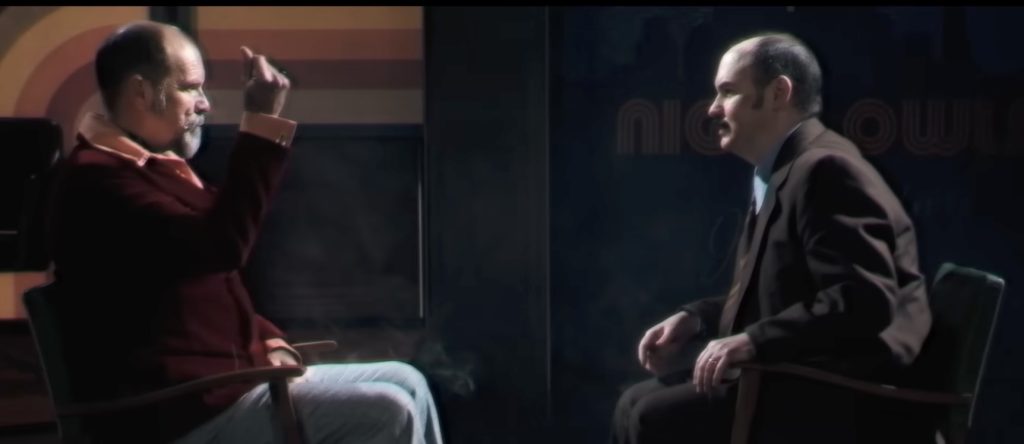
The use of late-night TV to turn tragedy into entertainment is a fascinating take to the beginning of reality TV. It’s also another moment to note how fiction and reality have blended into our everyday lives.
Yeah, I’m Going to Talk about A.I.
Late Night with the Devil used A.I. images for the cutaways to commercial breaks. There was no artistic reason to use A.I. generated images for these. They’re not better than human-created ones. While they may have been cheaper, the fact that their existence turns the conversation away from the quality of the film to their use highlights how reluctant some audiences are to replace real human effort.
This is all kind of ironic given the themes of the movie. There are no cheap or easy paths to success.
Final Thoughts
I love Late Night with the Devil. It’s nostalgic and relevant, with amazing actors and great effects. It is a slow burn that’s heavy on mood, so if you want something more overt, look elsewhere.
Leave a Reply